
Introduction
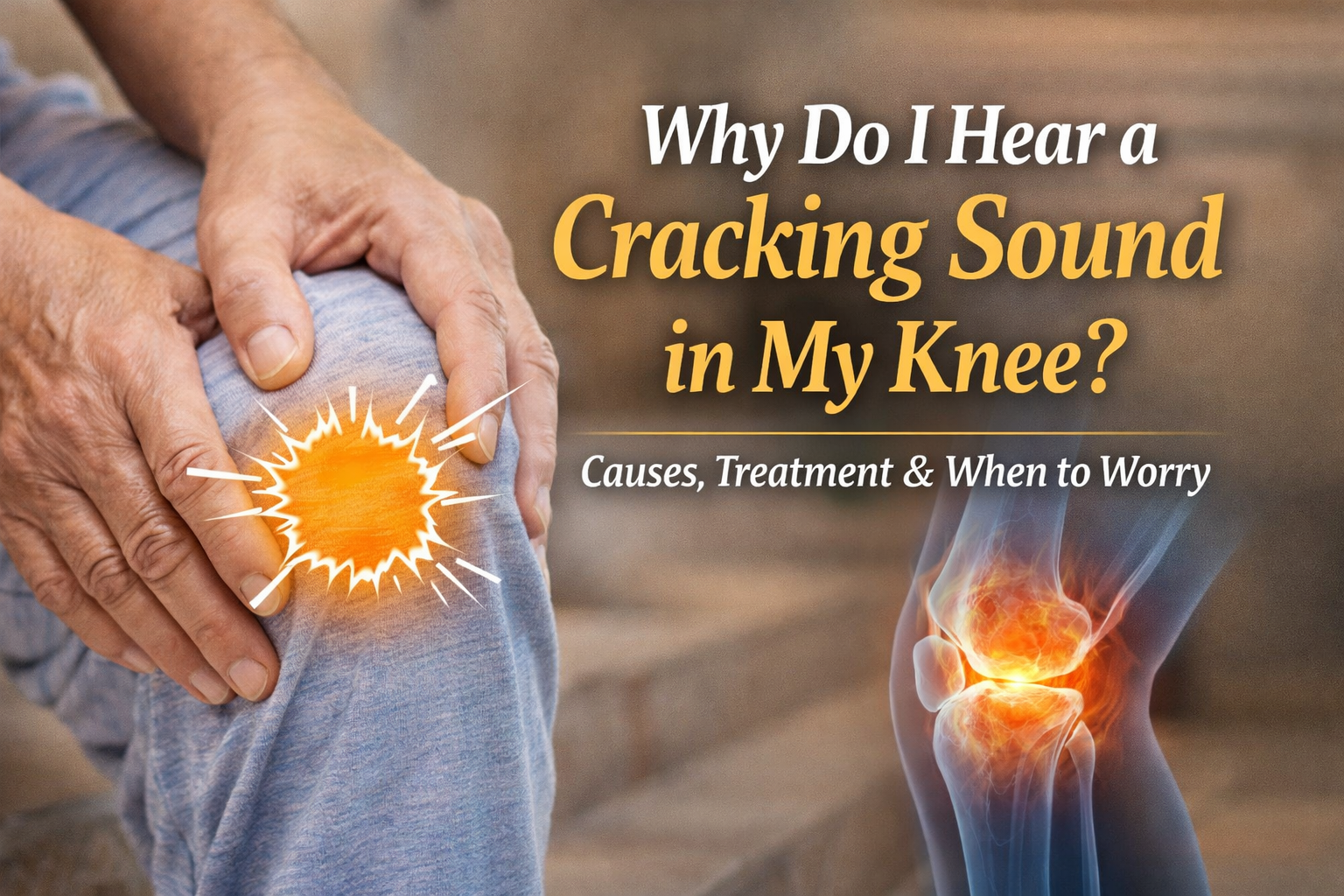
Have you ever noticed a cracking, popping, or clicking sound in your knee while walking, climbing stairs, or standing up? You’re not alone. This common condition, medically known as crepitus, is experienced by people of all ages — from young adults to the elderly.
In many cases, a cracking sound in the knee is harmless. However, when it is associated with pain, swelling, or stiffness, it may indicate an underlying joint problem that requires medical attention.
For accurate diagnosis and advanced treatment, consulting an expert is essential. Dr Aditya Jain, widely regarded as the best orthopedic doctor and best knee replacement surgeon in Delhi, has extensive experience in diagnosing and treating knee-related conditions, helping patients regain pain-free mobility with personalized care.
What Is the Cracking Sound in the Knee?
The cracking or popping sound you hear is often referred to as knee crepitus. It can occur during:
- Bending or straightening the knee
- Climbing stairs
- Sitting down or standing up
- Squatting or exercising
This sound may or may not be accompanied by pain.
Common Causes of Cracking Sound in Knee
Understanding the cause is key to determining whether it is normal or a warning sign.
1. Gas Bubbles in the Joint (Normal Cause)
Just like cracking your knuckles, your knee joints contain fluid that has dissolved gases. When you move, these gases can form bubbles that burst, creating a popping sound.
👉 No pain + occasional sound = usually normal
2. Ligament or Tendon Movement
Sometimes, ligaments or tendons move over bone structures during motion, producing a snapping or clicking sound.
- Common in active individuals
- Usually harmless unless painful
3. Cartilage Wear and Tear (Osteoarthritis)
As we age, the cartilage cushioning the knee joint begins to wear down. This leads to:
- Rough joint surfaces
- Grinding or cracking sounds
- Pain and stiffness
👉 This is one of the most common causes in people above 40.
4. Patellofemoral Syndrome (Runner’s Knee)
This condition occurs when the kneecap (patella) does not move properly.
Symptoms include:
- Cracking or grinding sound
- Pain while climbing stairs
- Discomfort after sitting for long periods
5. Meniscus Tear
The meniscus is a cartilage that acts as a shock absorber. A tear can cause:
- Clicking or locking sensation
- Pain during movement
- Swelling
👉 Often caused by injury or sudden twisting movements.
6. Previous Injury or Surgery
Old injuries can lead to:
- Joint instability
- Abnormal movement
- Persistent cracking sounds
7. Weak Muscles Around the Knee
Weak quadriceps or hamstring muscles can affect joint alignment, leading to unusual sounds.
When Is a Cracking Sound a Problem?
Not every knee sound is dangerous. However, you should consult a doctor if you notice:
- Pain along with cracking
- Swelling in the knee
- Difficulty in walking
- Knee locking or giving way
- Reduced range of motion
These symptoms may indicate serious joint issues like arthritis, ligament injury, or cartilage damage.
Why Does Knee Sound Increase While Climbing Stairs?
Climbing stairs puts 2–3 times more pressure on your knee joint compared to walking.
This increased pressure can:
- Highlight cartilage damage
- Cause grinding sensation
- Trigger pain in weak joints
That’s why many patients first notice knee cracking while using stairs.
Diagnosis of Knee Cracking Sound
A proper diagnosis includes:
- Physical examination
- Medical history
- X-rays to check bone condition
- MRI for soft tissue evaluation
An experienced orthopedic specialist can identify whether the condition is harmless or requires treatment.
Treatment Options for Cracking Sound in Knee
Treatment depends on the cause and severity.
1. Non-Surgical Treatment
✔️ Lifestyle Changes
- Maintain healthy weight
- Avoid excessive strain on knees
- Use proper footwear
✔️ Physiotherapy
- Strengthens muscles
- Improves joint stability
- Reduces symptoms
✔️ Medications
- Pain relievers
- Anti-inflammatory drugs
✔️ Supplements
- Calcium and Vitamin D
- Joint-support supplements
2. Advanced Non-Surgical Treatments
- PRP (Platelet-Rich Plasma) therapy
- Lubrication injections
These help in improving joint health and reducing symptoms.
3. Surgical Treatment (If Required)
When the condition becomes severe, especially in arthritis:
- Arthroscopy (minimally invasive procedure)
- Partial or total knee replacement
Role of Knee Replacement in Severe Cases
If cartilage damage is extensive and pain affects daily life, knee replacement may be the best option.
Benefits include:
- Pain relief
- Improved mobility
- Better quality of life
Modern techniques ensure faster recovery and long-lasting results.
Why Choose the Right Orthopedic Specialist?
Accurate diagnosis and treatment depend on the expertise of your doctor.
Dr Aditya Jain is considered one of the best orthopedic doctors and best ACL surgeon in Delhi, known for:
- Advanced joint replacement techniques
- High success rates
- Patient-centric approach
- Expertise in treating complex knee conditions
- Focus on faster recovery and rehabilitation
His comprehensive care ensures that patients receive the most appropriate treatment — whether non-surgical or surgical.
Exercises to Reduce Knee Cracking
Regular exercise helps strengthen the knee joint.
Recommended Exercises:
- Straight leg raises
- Quadriceps strengthening
- Hamstring stretches
- Step-up exercises
👉 Always consult a physiotherapist before starting.
Do’s and Don’ts
✅ Do’s
- Stay active
- Maintain proper posture
- Follow doctor’s advice
- Strengthen leg muscles
❌ Don’ts
- Avoid sudden jerky movements
- Don’t ignore persistent pain
- Avoid overloading joints
Preventing Knee Problems
Prevention is always better than cure.
- Maintain ideal body weight
- Stay physically active
- Eat a balanced diet
- Avoid prolonged sitting
- Use proper ergonomics
Frequently Asked Questions (FAQs)
1. Is cracking sound in knee normal?
Yes, if it occurs without pain or swelling, it is usually harmless.
2. Can cracking knees lead to arthritis?
Not necessarily, but persistent symptoms may indicate early joint damage.
3. Should I exercise if my knee makes noise?
Yes, but only low-impact exercises and under guidance.
4. When should I see a doctor?
If cracking is accompanied by pain, swelling, or difficulty in movement.
Conclusion
A cracking sound in the knee is a common concern and is often harmless. However, when associated with pain or discomfort, it should not be ignored. Early diagnosis and proper treatment can prevent serious complications and help maintain joint health.
With expert guidance from specialists like Dr Aditya Jain, patients can receive the right treatment and regain confidence in their daily activities.
⭐ Final Takeaway
Not every knee sound is a problem — but every persistent symptom deserves attention.

Ready to Take Control of Your Knee Pain?
Schedule a consultation with Dr. dradityajain to discuss your treatment options.
📞 Call +91 72920 92403